
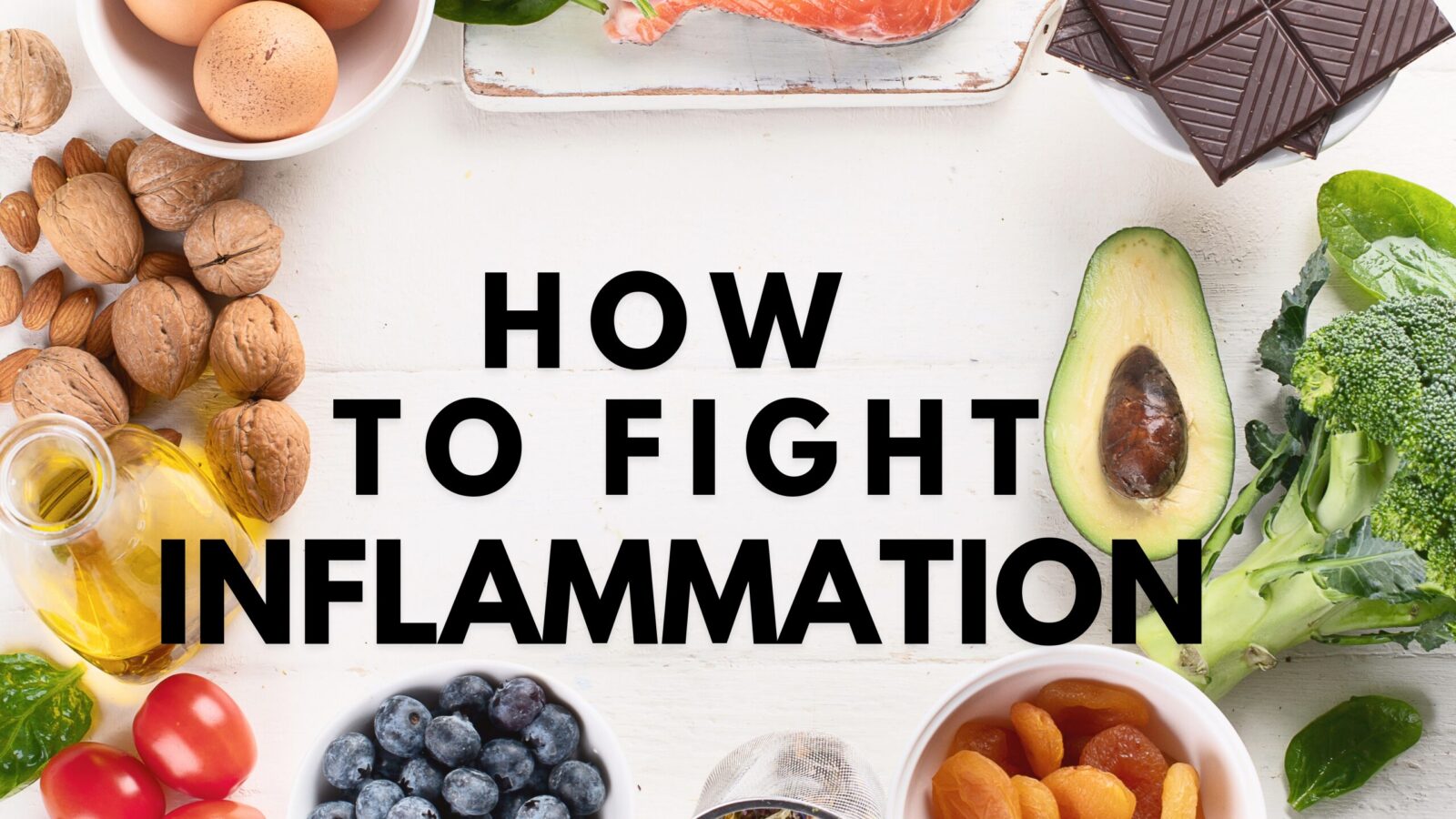

Understanding Inflammation in the Body and How to Fight It Naturally
If your dealing with chronic inflammation you are not helpless. You can help combat chronic inflammation naturally and lower disease risk by adopting a healthy lifestyle. There are natural anti-inflammatories that may help boost your defense against health conditions by reducing chronic inflammation in the body. The foods we eat and don’t eat can help prevent inflammation. Inflammation has been a challenge for me over the last 3 years and I know I’m not alone. This is a challenge for many especially as we get older. Though my own research I’ve learned the do’s and don’ts of dealing with chronic inflammation.

Inflammation comes up often in conversations concerning weight gain and health, as well as what is “The Inflammation Diet”. Inflammation is how the body naturally responds to injury, infection, or toxins in our body. There are 2 types of inflammation acute and chronic. Acute inflammation is not actually bad, it helps our body to defend itself against infection and injury. Chronic inflammation is another issue, this is when the immune system is over stimulated constantly for a long period of time. This can lead to lead to serious health issues like bowel disease, heart disease, arthritis, diabetes, and even cancer.
As I said before we are not helpless, fortunately living a healthy lifestyle through diet and exercise can have a powerful impact on reducing inflammation naturally while promoting our overall health and wellness. In this post, we’ll explore what causes inflammation, how it affects our body, and the best foods to eat and avoid and prevent inflammation.
Inflammation is how our body’s protects itself. When our immune system detects an injury or bacteria, it sends white blood cells to the affected area. This causes redness, swelling, heat, and pain. These are classic signs of acute inflammation.
Chronic inflammation can exist without any cause. It can silently damage our tissues and organs over time, without us knowing until we have a disease.
Several factors can contribute to low-grade, persistent inflammation.
-
Poor diet (especially high in sugar and processed foods)
-
Lack of exercise
-
Chronic stress
-
Exposure to environmental toxins
-
Poor sleep habits
-
Smoking or excessive alcohol use
-
Underlying health conditions as well as obesity, autoimmune disorders
Signs of Chronic Inflammation
While chronic inflammation doesn’t always cause symptoms right away, some signs may include:
-
Persistent fatigue
-
Brain fog
-
Joint pain or stiffness
-
Skin issues such as acne, eczema, rashes
-
Digestive problems (bloating, IBS)
-
Frequent infections
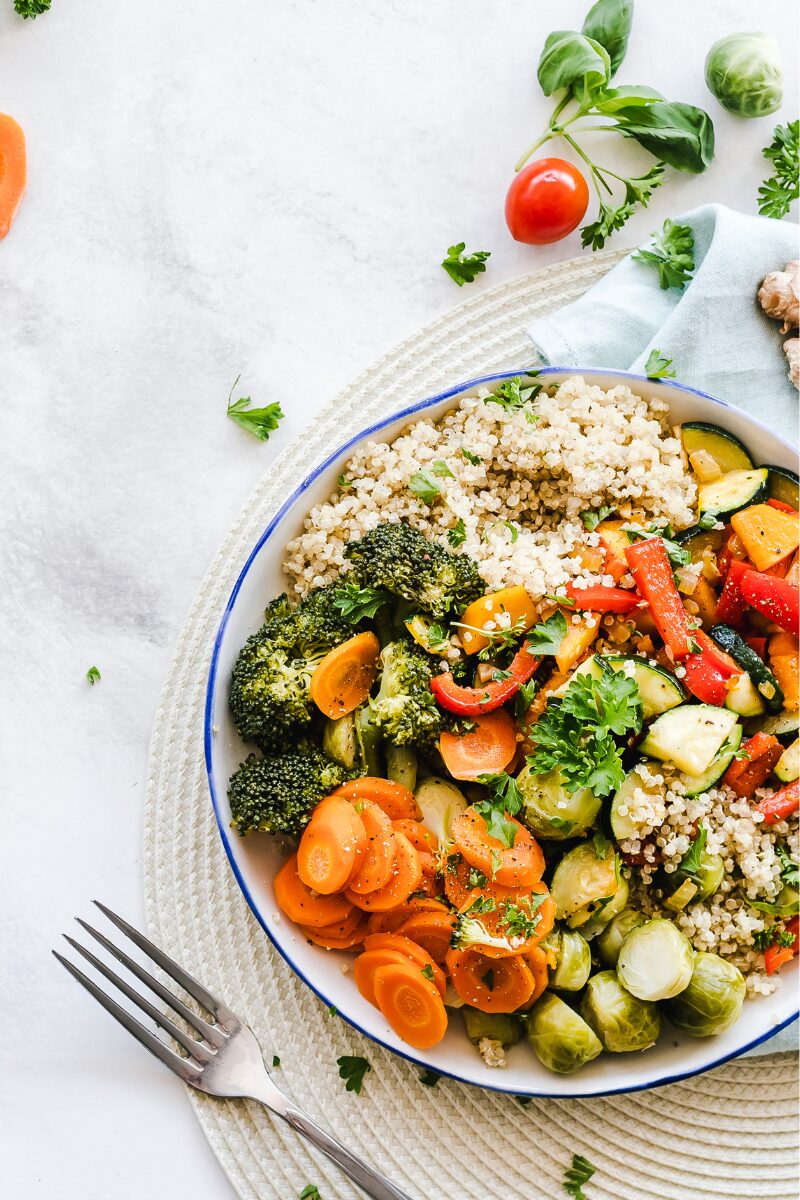
How to Prevent Inflammation Naturally
Having a healthy lifestyle especially through diet is the foundation for preventing chronic inflammation. Living a anti-inflammatory lifestyle includes regular movement, stress management, restful sleep, and most importantly, eating foods that fight inflammation and avoiding those that promote it.
Anti-Inflammatory Foods to Eat
The following foods are rich in antioxidants, fiber, and essential nutrients that help your body reduce and prevent inflammation:
. Leafy Greens
-
Kale, spinach, collards, and Swiss chard are rich in antioxidants and phytochemicals.
-
High in vitamin K, folate, and fiber.

2. Fatty Fish
-
Salmon, sardines, mackerel, and anchovies are rich in omega-3 fatty acids.
-
Omega-3s reduce the production of inflammatory compounds like cytokines.
3. Berries
-
Blueberries, strawberries, raspberries, and blackberries contain anthocyanins—potent antioxidants.
-
Also high in vitamin C and fiber.
4. Turmeric
-
-
Contains curcumin, a powerful anti-inflammatory compound.
-
Best absorbed when paired with black pepper.
-
5. Olive Oil
-
Extra virgin olive oil is packed with monounsaturated fats and polyphenols.
-
Acts similarly to anti-inflammatory medications when consumed regularly.
6. Nuts and Seeds
-
Almonds, walnuts, flaxseeds, and chia seeds are full of fiber and healthy fats.
-
Reduce inflammation and support heart health.
7. Cruciferous Vegetables
-
Broccoli, cauliflower, Brussels sprouts, and cabbage contain sulforaphane, which fights inflammation at the cellular level.
8. Green Tea
-
Loaded with epigallocatechin-3-gallate (EGCG), a compound that reduces inflammatory responses.
-
Also boosts metabolism and supports brain health.
9. Avocados
-
Rich in heart-healthy monounsaturated fats, potassium, and magnesium.
-
Contains compounds that inhibit inflammation in skin and joints.
10. Garlic and Onions
-
These vegetables contain sulfur compounds that boost immune function and reduce inflammation.

Foods to Avoid That Trigger Inflammation
Just as some foods fight inflammation, others fuel it. Minimizing or eliminating these from your diet can significantly lower inflammation levels:
1. Refined Carbohydrates
-
White bread, pasta, and baked goods spike blood sugar and trigger an inflammatory response.
-
Choose whole grains instead.
2. Added Sugars
-
Found in sodas, candy, packaged snacks, and even sauces.
-
Excess sugar promotes insulin resistance and inflammation.
3. Processed Meats
-
Bacon, sausage, deli meats, and hot dogs are high in saturated fats and additives.
-
Linked to increased risk of cancer and heart disease.
4. Trans Fats
-
Found in margarine, fried foods, and many processed snacks.
-
These fats increase bad cholesterol and inflammation.
5. Excess Alcohol
-
Moderate alcohol (1 drink/day for women, 2 for men) may be okay, but in excess is damaging.
-
Alcohol disrupts gut health and promotes liver inflammation.
6. Fried Foods
-
Cooking at high temperatures can create inflammatory compounds like AGEs (advanced glycation end products).
-
Opt for baking, steaming, or grilling.
7. Artificial Additives
-
Preservatives, colorings, and flavor enhancers like MSG can trigger inflammation in sensitive individuals.
-
Read labels and choose clean, whole-food options.
Sample One-Day Anti-Inflammatory Meal Plan
Breakfast:
Chia pudding with almond milk, topped with blueberries and walnuts. Oatmeal topped with fruit and cinnamon,
Lunch:
Grilled salmon over a spinach and avocado salad with olive oil and lemon dressing.
Snack:
A green smoothie with kale, banana, ginger, flaxseeds, and green tea.
Dinner:
Stir-fried broccoli, onions, and tofu in turmeric garlic sauce, served over quinoa.
Dessert (Optional):
Dark chocolate (70% or higher) with a handful of raspberries.
I have also found it helpful to fast from meat 2 twice a week, have my first meal at 12:00am and skipping lunch as been a game changer.
Lifestyle Tips to Complement Your Anti-Inflammatory Diet
1. Get Moving
-
Aim for at least 30 minutes of moderate exercise 5 days a week.
-
Walking, yoga, swimming, and resistance training all help reduce inflammation.
2. Sleep Well
-
Chronic sleep deprivation increases inflammatory markers.
-
Aim for 7–9 hours of quality sleep each night.
3. Manage Stress
-
Chronic stress fuels inflammation through cortisol.
-
Try meditation, journaling, or deep breathing exercises.
4. Stay Hydrated
-
Water supports detoxification and cellular repair.
-
Aim for at least 8 cups of water daily, more in hot weather or with exercise.
5. Limit Toxin Exposure
-
Choose natural cleaning products and skincare.
-
Eat organic when possible to reduce pesticide load.
Chronic inflammation is often a silent contributor to many serious health conditions, but it’s not irreversible. By making intentional food choices, reducing stress, and embracing a healthy lifestyle, you can calm your body’s inflammatory response and promote long term health.
Start small, small changes make a difference, for example swap out sugary snacks for berries, cook with olive oil instead of processed oils, or sip green tea in the afternoon. Over time, these small shifts can lead to powerful changes in how you feel, think, and live. Remember this is not a diet change it’s a lifestyle change. Talk with your healthcare provider if you need support in making dietary or lifestyle changes.


 10 Delicious Summer Side Dishes Recipes